La-Z-Boy as a company, why the recliner brand still matters, and what is changing in 2026
If you searched for “Lazy Boy”, you are almost certainly looking for La-Z-Boy. The name is often misspelled, and La-Z-Boy itself even leans into the “lazy” idea in its marketing, but the business behind it is a substantial, publicly listed furniture company built around comfort-led upholstery and a tightly controlled retail network.
Where La-Z-Boy started, and why the origin story keeps showing up
La-Z-Boy traces its roots to Monroe, Michigan, and to the late 1920s when its founders developed a reclining chair concept that ultimately defined the category. The company’s own corporate material still foregrounds that garage-era innovation because it explains the brand’s long-running advantage, it sells a feeling first, then builds products and stores around that promise.
What La-Z-Boy sells today, and what people mean by “La-Z-Boy sofas”
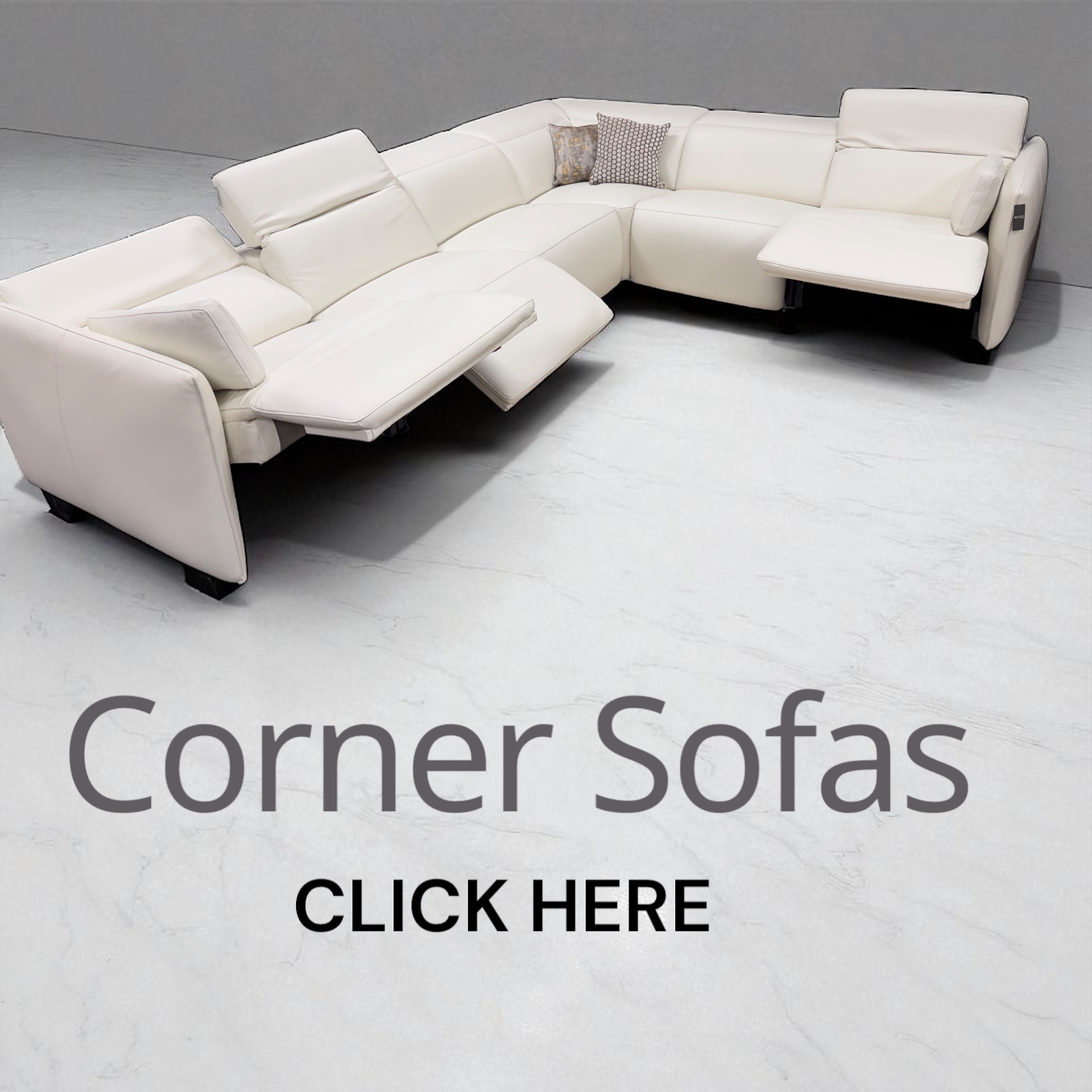
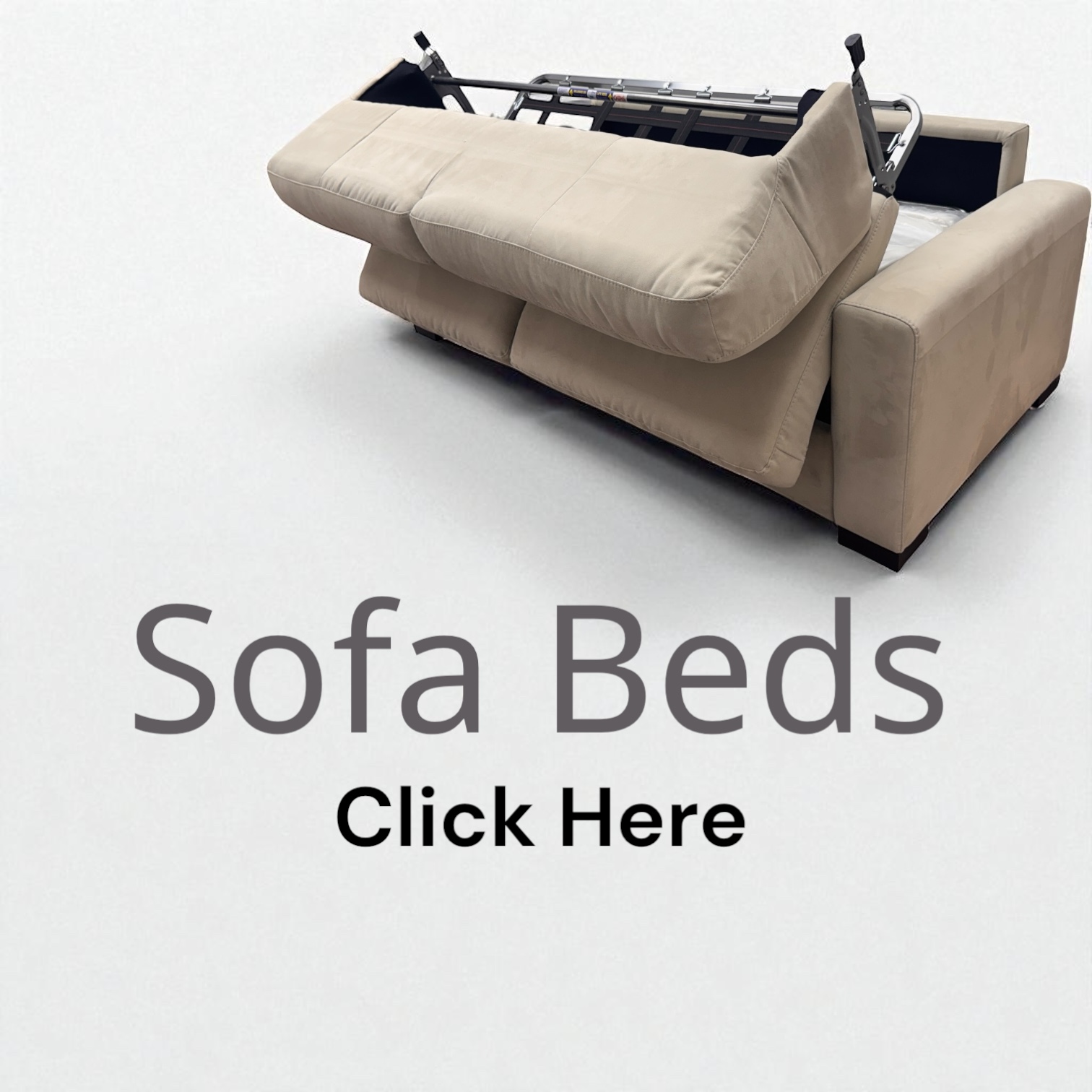
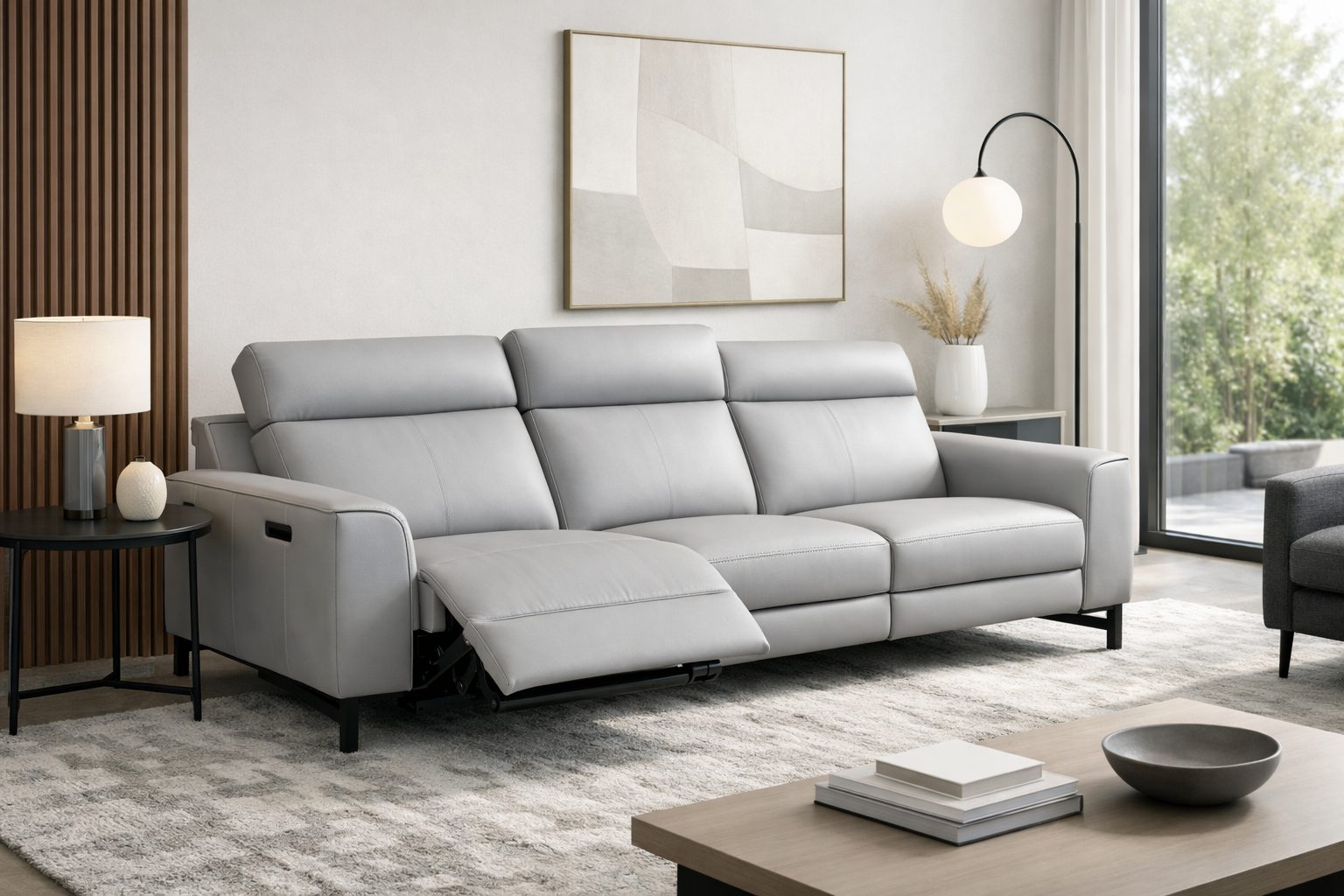
La-Z-Boy is best known for recliners, but its product focus is broader. On its consumer site, the company positions its living-room range across sofas and sectionals in both motion and stationary styles, plus related categories like loveseats and sleepers. In plain terms, “La-Z-Boy sofas” covers everything from full reclining sofas and reclining sectionals to non-reclining silhouettes designed to keep the comfort profile without the motion mechanism.
The business model most shoppers never see, vertical integration at scale
What makes La-Z-Boy unusual versus many furniture brands is the way it combines manufacturing, wholesale distribution, and direct-to-consumer retail. In its Form 10-Q for the quarter ended 24 January 2026, La-Z-Boy describes a proprietary distribution system that includes company-owned La-Z-Boy Stores, plus additional branded formats such as Comfort Studio and branded space locations, alongside distribution through other dealers. The same filing states the Retail segment is made up of 226 company-owned La-Z-Boy Stores.
Why that matters for buyers is simple. When a brand controls more of the route from showroom to delivery, it can standardise the selling experience, the lead-time promise, and the after-sales process. That does not guarantee perfection, but it does explain why La-Z-Boy invests so heavily in expanding company-owned stores as a strategic lever.
The strategy driving the company toward its 100th year, Century Vision
La-Z-Boy frames its long-term plan as Century Vision, aimed at its centennial year in 2027. In its January 2026 10-Q, the company describes a consumer-first approach focused on growing its two consumer brands, La-Z-Boy and Joybird, through expanded omnichannel presence and a larger store network, supported by enterprise capabilities like supply chain and technology.
Newsworthy in February 2026, strong sales growth, but the story is more nuanced
In results released 17 February 2026 for the quarter ended 24 January 2026, La-Z-Boy reported sales of about $542 million, up 4% year on year. The company reported GAAP operating margin of 5.5% for the quarter, and highlighted that retail written sales and retail delivered sales were both up 11%.
The nuance is in the mix. The same release notes written same-store sales were down 4%, while overall retail growth was lifted by store expansion, and Joybird sales declined, which trade coverage also highlighted. In other words, La-Z-Boy’s growth in this period reads as expansion-led rather than purely traffic-led, which fits a market where consumers remain selective.
Store expansion is not a side project, it is the centre of the plan
La-Z-Boy’s February 2026 update states that over the prior twelve months it added 29 net company-owned stores, made up of new openings, acquisitions, and closures, and that company-owned stores are around 60% of the total network. This is the clearest signal of how the company intends to “own the customer experience” rather than rely only on third-party retailers.
A sharper focus on core upholstery, and what that implies for the brand
Alongside results, La-Z-Boy also highlighted progress on strategic initiatives that concentrate the business on branded, customised upholstered furniture. The February 2026 release references moves including a planned closure of its UK manufacturing facility, the sale of the Kincaid upholstery business after quarter end, and a letter of intent connected to selling wholesale casegoods businesses.
For shoppers, the practical implication is not that La-Z-Boy stops being La-Z-Boy. It is that the company is actively reshaping what sits behind the scenes so more investment and management attention goes into its core comfort-led upholstery proposition and its owned retail footprint.
What to check before you buy a La-Z-Boy sofa, a buyer’s checklist that avoids regret
1. Start with layout and clearances
Reclining sofas and sectionals often need extra clearance behind the back and in front of the footrest. Measure doorways and turning points, then check the required space in both closed and fully reclined positions.
2. Decide whether motion is a lifestyle need or a nice-to-have
Motion seating is brilliant for TV rooms and daily lounging. In more social rooms, stationary designs can preserve flow and sightlines. Your ideal choice is usually about how people move through the room, not how the sofa looks online.
3. Ask how the mechanism works in real life
Manual and power motion feel different, and power models can include additional features depending on configuration. Confirm what is included in the exact build you are ordering, not just the showroom sample.
4. Choose upholstery like you choose flooring
Pets, kids, sun exposure, and daily use should drive the decision. Ask what care routine the cover needs, and whether it is intended for heavy-use households.
5. Sit for posture, not just softness
Try the seat depth, the lower-back feel, and the head and neck support in your natural sitting position. Comfort that feels plush for thirty seconds can feel wrong after thirty minutes if depth and support are mismatched.
Frequently asked questions
Is La-Z-Boy the same as Lazy Boy
Yes. “Lazy Boy” is the common misspelling people use in searches. The brand name is La-Z-Boy.
Why are people talking about La-Z-Boy right now
Because its February 2026 quarterly update combined solid top-line growth with major strategic signals, including ongoing expansion of company-owned stores and business simplification moves tied to focusing on its core upholstered furniture business.
How big is the company-owned store footprint
In its January 2026 10-Q, La-Z-Boy states its Retail segment consists of 226 company-owned La-Z-Boy Stores.
Are La-Z-Boy sofas made in the USA
In its February 2026 release, the company describes a vertically integrated model with about 90% of upholstered products produced in the U.S. For any specific sofa, it is still sensible to confirm the exact model’s origin at point of purchase.
Sources
https://bigfurnituregroup.com/la-z-boy-delivers-strong-third-quarter-as-sales-rise/
https://www.sec.gov/Archives/edgar/data/57131/000005713126000007/lzb-20260124.htm
https://www.la-z-boy.com/content/AboutLaZBoy/OurBrands
https://www.la-z-boy.com/content/AboutLaZBoy/corporate-commitment