Corner Sofas Buying Guide UK, Measuring and Layout Tips
Quick summary for UK shoppers
A corner sofa works best when you choose the correct facing, measure both walls and the depth into the room, and confirm access for delivery before you order. Most fit issues come from guessing the chaise direction, not allowing enough circulation space, or forgetting a tight turn in a hallway or stairwell. Retailers typically recommend taping out the footprint on the floor before buying, and planning the placement first.
For day to day comfort, pay attention to seat depth, seat height, support in the back cushions, and whether you want adjustable headrests or power recliners, because these vary massively across designer sofas and branded sofas.
If you are shopping in the North West, it is worth trying different corner sofas in person to compare comfort and upholstery choices, especially if you are deciding between leather sofas and family friendly fabric.
1. What is a corner sofa, and why buyers choose them
A corner sofa is a seating layout designed to use a corner or create an L shaped or U shaped seating zone. In the UK it is popular because it can add seats without needing multiple separate sofas, it can create a clear family zone around a TV, and it can work well in open plan rooms as a space divider. Corner sofas also make sense if you entertain and want everyone facing inwards rather than sitting in a line.
In real homes, the biggest advantage is efficiency. When the facing is correct and the scale is right, a corner sofa can make a room feel larger because it removes awkward gaps and creates a single, purposeful layout.
If you want to browse current SofaMax corner sofas to get a feel for typical sizes and styles, start here.
https://sofamax.co.uk/sofa-type/corner-sofas/
2. Corner sofa shapes explained
L shape corner sofas
This is the most common. It has one long run and one shorter return, sometimes a chaise end, sometimes a full corner seat. It suits most UK living rooms because it can sit along two walls or be floated slightly away from the wall.
U shape and double corner sofas
A U shape creates a wraparound social zone, often with two returns. It works best in wider rooms or open plan spaces where you are not blocking walkways. It can feel luxurious, but it is easier to oversize, so circulation planning matters.
Chaise corner sofas
A chaise is the extended lounging section. This is often what shoppers mean by a corner sofa, but it is important to know the difference between a chaise and a full corner group. A chaise can be brilliant for feet up comfort in a smaller room, but it can also create a pinch point if it blocks the natural walkway.
Modular corner sofas
A modular is built from individual sections that connect. The benefit is flexibility, easier delivery access, and the option to reconfigure or add modules later. Many modern designer sofas use modular construction to create multiple layouts.
Fixed corner sofas
A fixed corner sofa is built as a set layout, usually two large pieces or a fixed corner plus arms. These can feel very solid, but they are less forgiving for awkward access.
Corner sofa beds
A corner sofa bed can be a smart way to add occasional sleeping space, but it is heavier and typically needs more clearance for pull out mechanisms. Always check the extended bed dimensions and how it opens in your room.
Reclining corner sofas
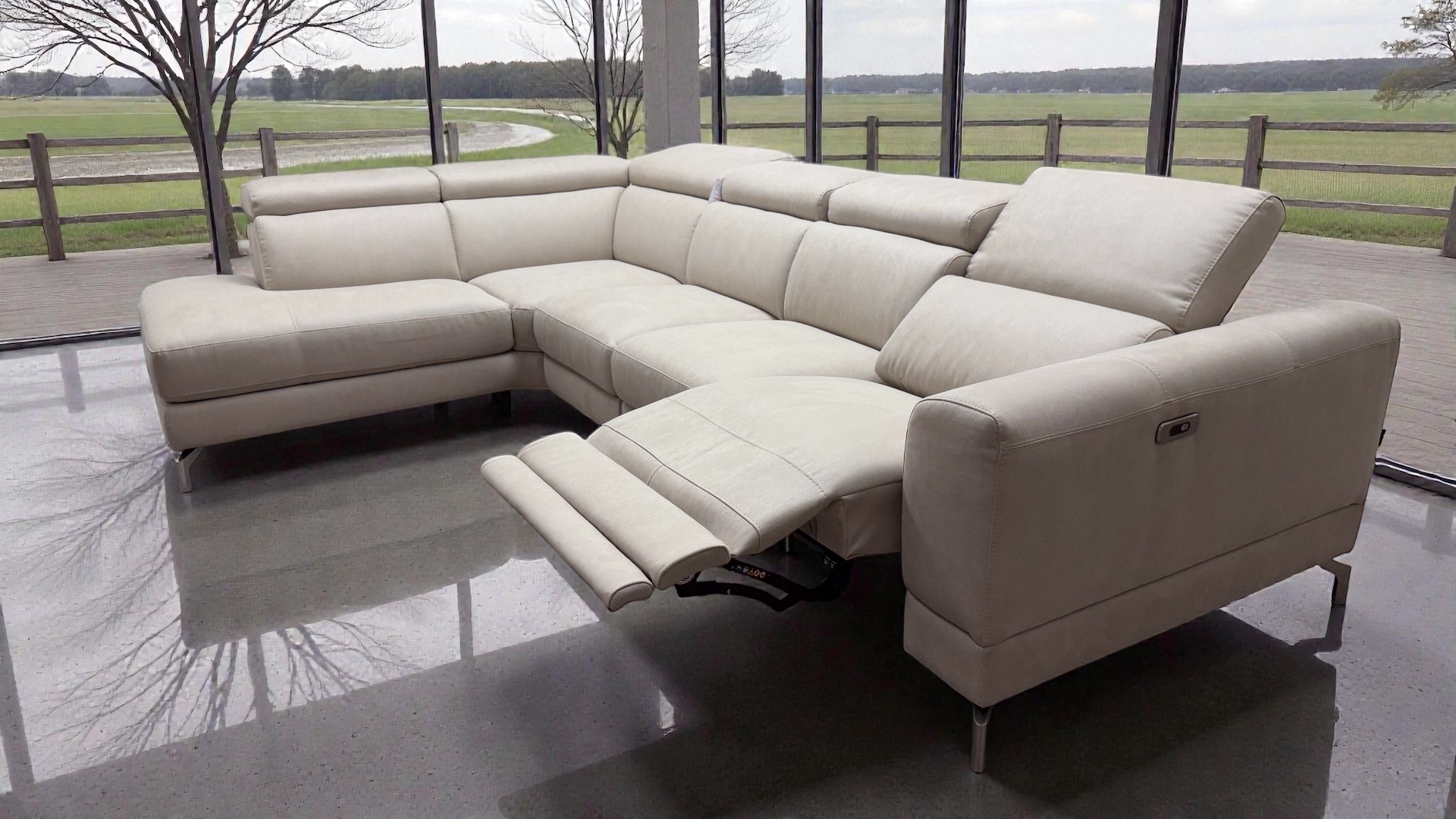
A reclining corner can be the best of both worlds, space efficient seating plus deep relaxation. The key is to check how far a recliner extends and whether you need space behind the sofa for the back to recline, because it depends on the mechanism.
3. Left hand versus right hand corner, how to choose correctly
This is where many people go wrong, especially online.
Use the shopper viewing rule
Stand in front of the sofa as if you are looking at it in a showroom. If the extended chaise or longer return is on your left, it is left hand facing. If it is on your right, it is right hand facing. Many retailers describe facing this way, and it is the easiest rule to remember.
Now apply it to your room
If your room corner is on the left when you are facing the wall where the sofa will sit, you will usually want a left hand facing layout. If the corner is on the right, you will usually want right hand facing. The exception is when you are floating the sofa or zoning an open plan space, because then the best facing is the one that keeps walkways clear.
If you are unsure, draw a quick top down sketch of the room showing doors, radiators, windows, and the TV position, then test both options with tape on the floor.
4. Measuring properly, the UK method
Competing buying guides typically say measure your room and outline the intended area, which is correct but not detailed enough for real living rooms.
Here is the method that prevents most mistakes.
Step 1. Choose the placement before you measure
Decide which wall the long run will sit against and whether you are putting the corner into a true corner or floating it. Major retailers start with placement for a reason, because it changes everything.
Step 2. Measure both walls, then measure depth into the room
Measure the usable wall length where the sofa will sit. Then measure the adjacent wall length for the return. Finally, measure how far the sofa can project into the room without blocking circulation, doors, or furniture zones.
Step 3. Add a circulation rule that matches UK living
For main walkways, aim for about 90cm where possible. That is a common interior planning guideline for comfortable circulation in living spaces, and it is a good target for primary routes such as door to seating, seating to hallway, and seating to stairs.
In tighter UK terraces and smaller lounges, you might accept less, but you should plan consciously rather than discovering the squeeze after delivery.
For the gap between a sofa and a coffee table, many UK home guides recommend around 40 to 50cm as a practical sweet spot, close enough to reach, far enough for legs and movement.
Step 4. Tape out the footprint on the floor
This is one of the most reliable ways to avoid disappointment. Use masking tape to mark the exact footprint based on the dimensions of the configuration you are considering. Then walk around it, sit where the seats would be, and check how the room feels. Multiple UK retailers and home publications recommend this approach because it makes scale real.
Step 5. Check the height and the visual weight
Corner sofas can look smaller in a large showroom. That is why designers repeatedly warn that skipping measurements and scale planning is a common furniture mistake.
If your room is narrow, a lower back can help the room feel more open. If you want high back comfort, make sure the height does not block sightlines to windows or make the room feel closed in.
Common measuring mistakes to avoid
Mistake 1. Measuring the wall but not the depth into the room, so the chaise blocks circulation.
Mistake 2. Forgetting radiators, bay windows, sockets, and door swings.
Mistake 3. Taping out the size but not testing your normal routes through the room.
Mistake 4. Measuring the maximum possible size rather than the comfortable size.
5. Door and access checks before you buy
Even the perfect layout fails if the sofa cannot get into the house. Major measuring guides emphasise checking doors, halls, and stairs because it is one of the biggest causes of failed deliveries.
Access checklist you can do in 10 minutes
1. Measure the width and height of the main door opening, then internal doors on the route.
2. Measure hallway width and note any pinch points like a radiator, banister, or tight corner.
3. For stairs, measure the narrowest width, the ceiling height above the stairs, and the landing turning space.
4. If you have a tight turn, measure the diagonal clearance you can achieve by rotating the item.
5. If you live in a flat, confirm lift dimensions and corridor turns.
When modular is safer for access
If your home has a narrow hallway, a tight staircase, or a sharp turn into the lounge, modular corner sofas are often the safer choice because sections are smaller and easier to manoeuvre. This is one of the practical reasons modular has become so popular in UK homes.
6. Modular vs fixed corner sofas
- Modular corner sofas, what you gain
- Flexibility. You can often swap the chaise side, add armless units, or reconfigure for a new home.
- Access. Smaller sections make delivery easier in UK properties.
- Longevity. If a single section takes wear, you may be able to replace or reupholster just that module rather than an entire large frame.
- Modular corner sofas, what to watch
- Connection quality matters. A good modular should lock together firmly so it does not drift.
- Measure the full footprint of the exact configuration, not just the base module size.
- Check seat comfort consistency across modules, especially on corner seats, which can feel different.
- Fixed corner sofas, what you gain
- Often a very unified, solid feel, sometimes with fewer visible joins.
- A fixed layout can be more cost effective for the amount of seating, depending on the brand.
- Fixed corner sofas, what to watch
- Less flexibility if you move house or change the room.
- Delivery can be harder if the main pieces are large.
7. Comfort and construction that actually matters
When shoppers say a sofa is comfortable, they usually mean the seat depth suits them, the seat height fits their legs, the back cushions support their shoulders, and the sofa feels stable, not bouncy or saggy.
Seat depth and posture
Deep seats are brilliant for lounging. They are less ideal if you like to sit upright or if you are shorter, because you may not reach the back support comfortably. If you want one sofa that suits everyone, aim for a balanced depth and use cushions for deeper lounging when needed.
Seat height and ease of getting up
A low modern seat looks great, but it can be harder to get up from, especially for anyone with knees or hips that need support. Try sitting and standing several times in a showroom, because you will feel the difference immediately.
Cushion fillings and support
High quality foam can feel supportive and keep its shape well. Fibre wrap can soften the initial feel. Pocket springs can add resilience and a more buoyant comfort depending on the design. What matters is not the buzzword, but how it feels after ten minutes of sitting.
Suspension systems
Different brands use different support systems under the seat, such as webbing or sprung systems. The effect is stability, comfort, and longevity. The practical test is simple. Sit near the front edge, then lean back. A good sofa stays supportive without feeling like it tips or collapses.
Frames and overall build
Strong frames and consistent stitching are a big part of how a sofa wears over time. It is also why branded and designer sofas can feel more stable, with better alignment of seams and cushions.
Back support, headrests, and recliners
If you watch TV a lot, adjustable headrests can transform comfort because they support your neck without needing extra cushions. Many modern retailer guides now list features like adjustable headrests and power recliners as key characteristics of contemporary sofas.
For reclining corner sofas, test the full range. Check how far the footrest extends, how the lumbar area feels, and whether the back rest supports your shoulders at your preferred recline angle.
What to look for when you sit on one in a showroom
1. Sit normally for two minutes, then lean back for another two minutes.
2. Check thigh support. Your legs should feel supported without pressure at the back of the knees.
3. Check the back cushions. You should feel supported in the mid back, not just at the base.
4. If it is a recliner, check the comfort at half recline and full recline, not just full recline.
5. Listen for mechanism noise if it is powered.
If you want to compare corner sofa comfort across multiple brands in one visit, SofaMax is set up as a warehouse showroom where you can try different designs side by side.
8. Upholstery choice, leather sofas vs fabric sofas for UK homes
Leather sofas, what suits them
Leather can be a great choice for busy homes because it is easy to wipe and does not hold pet hair the same way some fabrics do. It also tends to age well when cared for properly. The key is choosing the right leather type and using safe routine care.
Fabric sofas, what suits them
Fabric can give a softer, warmer look and can be very practical if you choose the right weave and performance finish. Many modern fabrics are designed to be more forgiving with spills, but you still need a sensible routine.
Sunlight and heat sources
Whether leather or fabric, avoid placing the sofa close to strong heat sources and be cautious with direct sunlight, because both can affect appearance over time. Natuzzi care guidance and major sofa review content commonly emphasise avoiding direct heat and sunlight for longevity.
Safe care note and SofaMax leather care guidance
For leather, routine dusting with a soft microfibre cloth and gentle cleaning is typically the safest baseline, and it avoids grinding grit into high contact areas like arm tops and headrests.
For deeper cleaning or protection products, follow the manufacturer guidance for your specific leather type.
For SofaMax leather care guidance, see.
https://sofamax.co.uk/caring-for-your-leather-sofa/
9. Choosing the right size for your lifestyle
How many seats do you really need
Think in terms of real use, not best case. If three people sit every evening, prioritise three prime seats with good back support. If you host, prioritise a layout that faces inward so conversation works.
Small room corner sofas
A compact L shape with a chaise can be the best compromise. It gives feet up comfort without dominating the room. The key is keeping the chaise from blocking the natural route through the room.
Open plan zoning with a corner sofa
A corner sofa can define a living zone without walls. If you float it, consider a console table behind it or a rug that anchors the seating area. Also make sure the back of the sofa does not become the first thing you see when entering the room, which many designers warn can make a layout feel awkward.
10. Price, value, and what drives cost in high end branded corner sofas
Brand and manufacturing standards
Well known brands often invest more in consistency, engineering, and aftersales support. The cost reflects design development, materials, and the complexity of mechanisms where relevant.
Upholstery specification
Leather grade, stitching detail, and the amount of leather required for a large corner group significantly influence price.
Mechanisms and features
Power recliners, power headrests, USB charging, and advanced motion systems add cost, but also add comfort value if you will use them daily.
Modularity and configuration
A modular layout can cost more because it is built as a system of engineered components. The trade off is flexibility and access practicality.
Warranty support and paperwork
Whatever you buy, keep the paperwork and understand what is covered, because warranty support is based on written terms and proper use.
11. Clearance, ex display, and in stock corner sofas
How to shop smarter
Clearance and ex display can be excellent value if you know what to check. The best approach is to prioritise comfort and size first, then look for the best value within those requirements.
What to inspect
1. Upholstery condition on high contact areas like arm tops and seat fronts.
2. Cushion support, sit in the main seats for a few minutes.
3. Recliner function, run it through the full range if applicable.
4. The exact dimensions of the configuration you are buying.
5. Delivery access and planning, even if it is a bargain.
SofaMax focuses heavily on in stock offers, so if you are aiming for faster delivery, browsing current stock can be useful.
https://sofamax.co.uk/sofa-type/corner-sofas/
12. Glossary of common corner sofa terms
Chaise. An extended lounging section.
Facing. The side the chaise or return is on when you are facing the sofa.
Modular. Built from multiple connectable sections.
Armless unit. A middle module without arms used to extend a run.
Terminal. The end section of a modular run, often with an arm.
Corner unit. The corner seat module that joins two runs.
Open end. A corner sofa layout where one end does not have an arm, creating a more open look.
Recliner extension. How far the footrest projects when open.
FAQs, corner sofas buying questions UK shoppers ask
1. How do I know if I need a left hand or right hand corner sofa
Stand facing the sofa. If the chaise or long return is on your left, it is left hand facing. Then choose the facing that keeps your room walkways clear.
2. What is a good size for a corner sofa in a UK living room
There is no single size, but the right one leaves comfortable circulation space and does not block doors or main walkways. Taping out the footprint is one of the best ways to judge scale.
3. How much space should I leave between the sofa and coffee table
Many UK guides suggest around 40 to 50cm as a practical distance, close enough to reach, far enough to move comfortably.
4. How much walkway space do I need around a corner sofa
For main walkways, aim for about 90cm where possible. In smaller rooms you can reduce it, but plan the squeeze before you buy.
5. Are modular corner sofas worth it
They are often worth it if you want flexibility, easier delivery access, or the option to reconfigure later. They can be especially practical in UK homes with tight hallways and stairs.
6. Do recliner corner sofas need space behind them
It depends on the mechanism. Some recliners need clearance behind the back, others are designed to work closer to a wall. Always check the specification for the exact model.
7. Is leather or fabric better for a family corner sofa
Both can work. Leather can be easy to wipe and can age well with correct care. Fabric can feel warm and relaxed, and performance fabrics can be very practical. The best choice depends on lifestyle, light levels, and maintenance routine.
8. How do I measure to make sure it will fit through the door
Measure the door width and height, then compare against the sofa depth and height depending on how it will be carried. Also measure internal doors and tight turns.
9. Will a corner sofa make a small room look smaller
It can if it is oversized, blocks light, or removes circulation space. A compact chaise layout, a lower back design, and careful spacing usually work better in smaller rooms. Designers regularly highlight scale planning and circulation as the keys to avoiding a cramped feel.
10. Should I buy a corner sofa online without trying it
You can, but it is riskier because comfort varies widely. If you can, try similar seat depths and back supports in a showroom, then order with much higher confidence.
If you want help choosing the correct facing, measuring your room properly, and comparing comfort across designer sofas, modular corner sofas, leather sofas and reclining sofas, visit SofaMax in Accrington, Lancashire. Our team can help you match the right corner sofa size and style to your home, whether you are travelling from Blackburn, Burnley, Preston or Manchester.
https://sofamax.co.uk/contact/
Sources used for research
https://www.dfs.co.uk/buying-guide/corner-sofa-buying-guide
https://www.dfs.co.uk/buying-guide/corner-sofa-measuring-guide
https://www.furniturevillage.co.uk/customer-service/buying-guides/measuring-furniture-guide.html
https://www.sofology.co.uk/blog/ask-the-expert/choosing-the-best-corner-sofa-for-your-space
https://www.livingetc.com/advice/how-much-space-between-furniture-for-walking
https://www.willowandhall.co.uk/blog/how-to-measure-a-sofa/
https://www.gplan.co.uk/measuring-guide/
https://sofamax.co.uk/sofa-type/corner-sofas/
https://sofamax.co.uk/caring-for-your-leather-sofa/